Do General Dentists Want Your Family to Avoid Sugar?
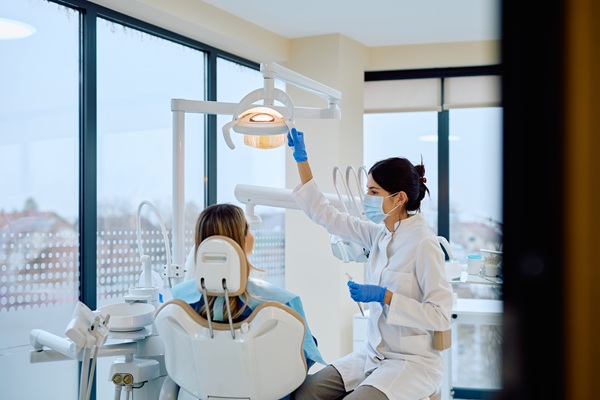
Sugar is one of the main contributors to dental cavities and other oral health concerns, which is why many general dentists encourage patients to limit or avoid sugar consumption. This review discusses the effects that sugar can have on oral health and how to reduce the risk of oral health complications through dietary changes and good oral hygiene.
Why a general dentist encourages families to limit sugar consumption
While general dentists offer restorative care, their primary focus is helping their patients prevent oral health concerns for the long term. This includes limiting sugar consumption and practicing good oral hygiene to maintain ideal oral health, which prevents the need for invasive and expensive dental procedures.
Why is sugar harmful to oral health?
Sugar is one of several carbohydrates that are highly harmful to tooth enamel and periodontal health. Sugar combines with bacteria and saliva in the mouth to create an acidic reaction. This reaction has the power to break down teeth enamel and damage the gums. While one sugar-filled snack is not enough to harm teeth and gums in the long term, repeatedly consuming foods and drinks high in sugar can have a significant impact on periodontal health, causing issues such as bad breath, teeth decay, gum disease, deep gum pockets, gum recession, bone loss in the jaw, and eventually, tooth loss.
Should my family avoid sugar altogether?
It is not necessary (and not realistic) to avoid sugar altogether. That said, it is important to limit sugar consumption and understand the impact it can have on oral health. Be sure to practice good oral hygiene when consuming sugar.
How can I further reduce the risk of oral health problems?
Patients can further reduce the risk of oral health concerns by drinking water throughout the day, brushing and flossing regularly, and visiting the dentist for all scheduled check-ups and cleaning visits. Be sure to also protect teeth from grinding and trauma by wearing a mouthguard when necessary.
How often should my family members see the general dentist?
It is encouraged for adults and children alike to see the general dentist every four to six months for a routine visit. This allows the dentist to check on each family member's oral health and detect any concerns as early as possible to minimize the invasiveness and cost of treatment.
What foods and drinks are good for strengthening enamel?
Foods and drinks that contain calcium, such as milk and eggs, are great for teeth. Drinking water throughout the day can also keep bacteria washed away and minimize the risk of periodontal disease, dental cavities, and other oral health concerns.
Contact our general dentist to schedule a visit
Are you past due for your check-up visit, or do you have oral health concerns that need to be addressed? If so, then speak with our friendly and professional general dentist team today to arrange a time to come in for a visit.
Request an appointment here: https://peachtreesmiles.com or call Peachtree Smiles Dentistry at (404) 999-0824 for an appointment in our Atlanta office.
Check out what others are saying about our dental services on Google: General Dentist in Atlanta, GA.
Related Posts
Restoring your smile with a dental implant can result in better oral function and health. This dental replacement fuses with the jawbone and gum tissue. It offers lasting stability with proper care and maintenance. Here are the details on how a dental implant can improve oral function and health.Research shows that digestion begins in the…
Dental implants are considered the current “gold standard” for tooth replacement due to the superior benefits they offer patients. Despite their many advantages, they may not be right for everyone. Therefore, patients need to understand the process to make an informed decision.Dental implants are screw-like posts, typically made from titanium, that act as replacement tooth…
A chipped tooth needs immediate attention to protect the structural integrity of a smile. Fortunately, an emergency dentist can provide this immediate and crucial care to preserve one's oral health and smile. Sudden trauma from sports activities, accidental falls, or biting down on hard foods can cause enamel fractures. When structural damage occurs, seeking a…
Dental professionals recommend dental implants as one of the best options for tooth replacement. Implants can be just as long-lasting and functional as real teeth. Now the question remains, who should you consult for dental implant procedures?The dental implant procedure involves placing tiny implants in the jawbone to support a prosthetic tooth replacement. Periodontists are…